Your operation needs regular sanitation protocols customized for specific risks, daily throughput, food allergens, and inspection schedules, including auditable records validating HACCP requirements, inspection compliance, and public health regulations. The information following provide guidance on sanitation program requirements.
Main Points
- Brampton sanitation experts maintain restaurants, grocery departments, commissaries, warehouses, bakeries, schools, mobile vendors, and allergen-sensitive operations.
- Cross-contamination reduction is accomplished by sanitizing frequently contacted areas, food-contact equipment, kitchens, floors, drains, restrooms, and storage areas with area-specific procedures.
- Recording of finalization through checks, reviews, and corrective-action records ensures qualified vendors have verified approved sanitizer dilution, alignment, and contact time.
- Cleaning calendars should follow hazard, production volume, format changes, accidents, and guidelines, with regular, weekly, and seasonal duties designated by section.
- Select vendors with HACCP, sanitation, competency, safety training, education, insurance, testimonials, colour-coded tools, and audit-ready cleaning files.
Food Safety Cleaning Requirements for Brampton Facilities
Brampton establishments that process, store, prepare, package, or distribute food require food sanitation. Implement it if your operation is covered by health department oversight, food standards, or HACCP systems. The obligation covers eateries, dining facilities, warehouses, supermarket areas, meat counters, fish departments, retail outlets, and institutional kitchens.
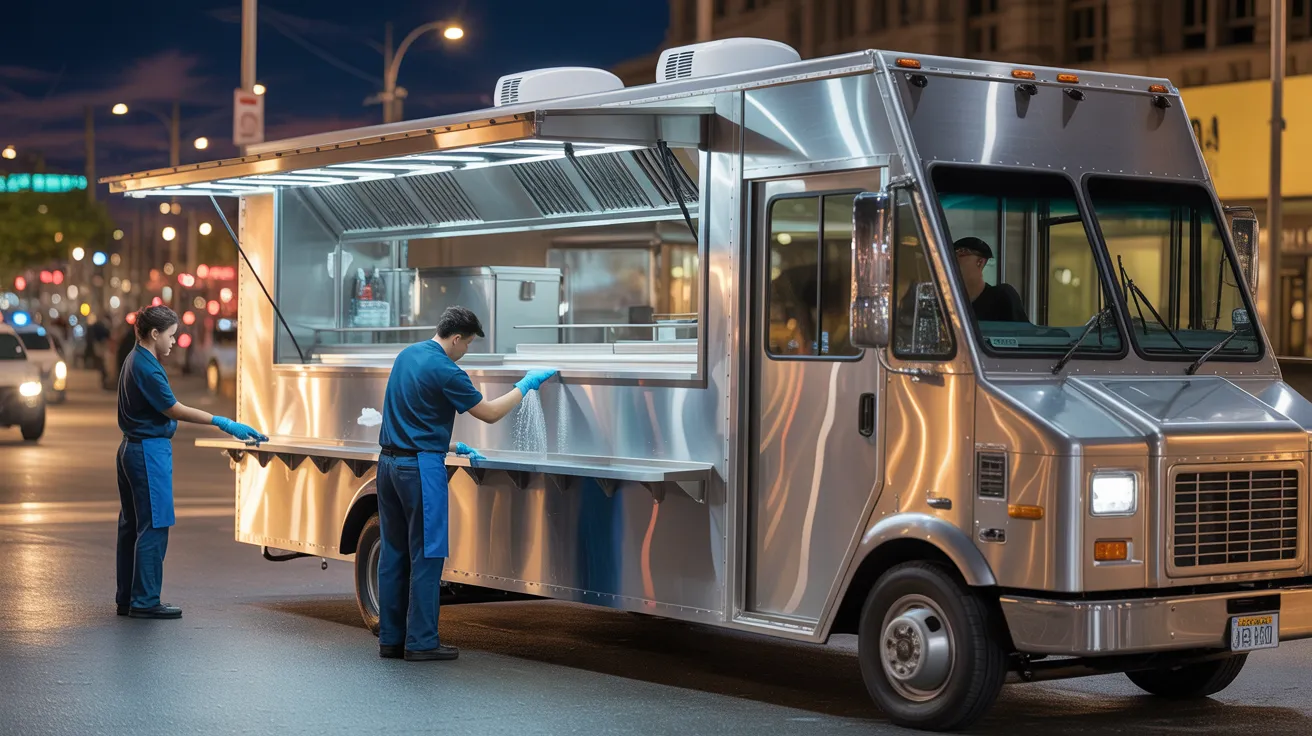
You also need proper hygiene cleaning in supply warehouses, manufacturing facilities, refrigerated storage, bakeries, school feeding programs, reception facilities, and delivery centers. Mobile and temporary operations count too, including catering vehicles, market vendors, and seasonal stalls. If your staff process ingredients, portion ready-to-eat items, reheat products, or store allergens, your facility needs written cleaning standards. In Brampton, cleanliness isn't voluntary; it's part of statutory, business, and public health compliance.
Which Areas Do Brampton Cleaning Experts Cover?
Professional cleaning teams specializing in Brampton disinfect high-contact surfaces, food preparation areas, ground surfaces, and restrooms in compliance with food safety regulations. Emphasis on these spaces occurs because they pose maximum contamination danger, injury hazards, and compliance issues.
If you comprehend their cleaning services, you'll successfully ensure your operation satisfies all operational and regulatory compliance needs.
High-Touch Surface Cleaning
structure cleaning schedules according to foot traffic, environmental hazards, and business activities.
Maintaining a one-way workflow, replacing wipes, and dividing cleaning tools by location ensures that protocol stays measurable, auditable, and compliance-ready continuously
Kitchen Areas, Floor Surfaces, and Bathroom Spaces
Brampton cleaning professionals will handle kitchens, floors, and restrooms since each space presents separate hygiene concerns, injury, and community health challenges. In industrial kitchens, you need degreasing on cook lines, equipment exteriors, drains, prep surfaces, and splash zones to minimize contamination and pest pressure.
Floor care that is recorded should also be anticipated. Technicians scrub and extract buildup from tile grout, ceramic surfaces, and vinyl floors, then apply appropriate drying controls so you can limit falls and meet regulatory standards. They also handle entryways where moisture and debris migrate indoors.
For restroom sanitation, cleaners disinfect touchpoints, fixtures, partitions, dispensers, and waste containers, then replenish amenities and manage odor. They also maintain restaurant cleaning supply rooms where product storage, sink cleanliness, and drain systems impact daily sanitation standards and worker protection.
How Food Safety Cleaning Benefits Brampton Operations
In Brampton, you must maintain sanitary cleaning practices to satisfy regulatory standards and pass inspections. You also reduce bacterial spread through proper cleaning of food-preparation surfaces, appliances, and frequently-touched items. Most importantly, you help protect community wellness by reducing the chance of food poisoning in your establishment.
Health Code Compliance
Because Brampton food companies operate under mandatory safety protocols, food safety cleaning directly impacts your ability to meet health code requirements, protect customers, and prevent enforcement action. You must maintain sanitized food contact points, recorded sanitation plans, proper chemical use, and traceable training practices that align with municipal and provincial inspection expectations.
During inspections of your operation, officials determine if your sanitation system ensures protected inventory management, machinery hygiene, trash control, and bathroom upkeep.
Cross-Contamination Management
Following health code standards depends on your ability to prevent cross-contamination in daily food handling and cleaning. You should isolate raw items from prepared foods, disinfect work areas after use, and maintain separation of cleaning products from food. Well-defined guidelines decrease contamination chances and promote steady regulatory adherence.
You should implement allergen segregation to prevent major allergens from touching common work areas, storage bins, or tools. Employ separate boards, labeled implements, and careful equipment identification so employees avoid combining products throughout cooking or serving. Require handwashing after handling raw meat, seafood, eggs, or allergen-containing products. Replace wiping cloths regularly, and verify sanitizer strength with test strips. When staff members receive training on these procedures every shift, you create a cleaner, safer operation that satisfies Brampton's safety standards consistently.
Public Health Defense
When sanitation protocols breaks down, you don't just face inspection failure—you increase the chance of foodborne illness impacting customers, staff, and the wider Brampton community. You also weaken your role in protecting public health, especially in busy food facilities where contamination can spread quickly through surfaces, equipment, and touchpoints.
You require sanitation systems that eliminate soils, disinfect appropriately, and confirm results. This requires following contact periods, using authorized sanitizers, logging schedules, and educating staff to meet health-unit expectations. These measures prevent illness spread by minimizing pathogens before contaminating food or hands. Throughout Brampton, strong cleaning safeguards susceptible populations, minimizes disease potential, and demonstrates your diligence. When you follow proper protocols, you exceed regulations—you lower hazards and enable safer food service region-wide.
How Does Cleaning Support Food Safety Compliance?
Establishing rigorous cleaning routines bolsters food safety compliance by decreasing contamination threats, controlling pathogen growth, and keeping your facility aligned with sanitation requirements under HACCP-based programs and public health regulations. You confirm that contact surfaces are visibly clean and microbiologically controlled, facilitating documented preventive controls and inspection readiness.
Proper cleaning procedures also reinforce allergen mitigation by clearing residues that can lead to undeclared allergen exposure.
What's the Best Time to Plan Commercial Cleaning?
food-contact surfaces, bathrooms, and high-contact areas
weekly plans for drain systems, vents, storage racks, and hard-to-reach zones, based on inspection findings and sanitation records.
Selecting the Right Brampton Cleaning Experts: Key Considerations
Evaluate providers first by sanitation compliance standards rather than price alone. You must ensure each provider understands CFIA, public health, and HACCP requirements for your business. Request proof of insurance, WHMIS compliance, staff training documentation, and supervision methods. Check technician awareness of contamination prevention, chemical safety, and documented sanitation practices.
You must also evaluate business consistency and oversight. Seek references from Brampton food companies, then assess response times, corrective processes, and communication quality. Ensure the company supports supplier audits and can provide inspection-ready documentation when authorities or third parties demand verification. Verify equipment care, color-coded items are deployed correctly, and site-specific hazards are understood. A reputable service protects compliance, product safety, and your brand reputation.
Which elements are part of a Food Safety Cleaning Plan?
Create a written plan that clearly outlines every sanitation duty, guideline, and expectation before production starts. You should document cleaning schedules, authorized products, mixing ratios, exposure periods, equipment, and testing procedures for each zone, surface, and piece of equipment. Don't forget to add pre-operational inspections, corrective actions, and employee training find guide requirements.
Your plan should also focus on cross-contamination controls, waste handling, pest-prevention measures, and documented schedules for rest areas, drains, flooring, and food-contact surfaces. Describe how you'll keep raw and ready-to-eat processes separate, facilitate ingredient tracking, and maintain accurate allergen labeling through validated cleaning between product changes. You should set accountability, maintain signed records, and assess results against regulatory standards, HACCP controls, and customer requirements. When gaps appear, update procedures immediately and retrain staff.
Frequently Asked Questions about the Plan
Do sanitation providers operate during overnight shifts at Brampton properties?
Yes, you can arrange cleaning services to support overnight shifts in Brampton facilities. You'll organize overnight sanitation around operational windows, security protocols, and personnel needs. Providers generally create nighttime procedures to minimize disruption, stay compliant, and track completed work. You should verify response times, supervision, lockout protocols, and waste management before starting service.
Will Brampton cleaning experts address emergency spills?
Yes, you can expect Brampton sanitation professionals who offer emergency spill response solutions. They handle contamination, assess risks, isolate affected areas, and start rapid decontamination to minimize risk and prevent business interruption. You should verify arrival timeframes, professional credentials, PPE protocols, and waste management. If your facility must comply with industry standards, choose a provider that records events, maintains regulatory procedures, and enables compliance verification.
Can environmentally safe disinfectants be used safely on food-handling equipment?
In essence, natural disinfectants remain safe for food-handling equipment provided you select items marked food-safe that comply with regulatory standards. Check contact duration, concentration levels, and rinse protocols in advance of use. Botanical formulations reduce harsh chemical exposure, although you need proof of efficacy against specific pathogens. To keep surfaces without residue, adhere to manufacturer instructions exactly and verify the disinfectant complies with relevant food safety standards.
Will cleaning schedules adapt to seasonal production changes?
Without question, sanitation programs adapt well for seasonal variations. Adjust schedules, personnel, sanitizers, and testing procedures to align with operational cycles while maintaining compliance standards. Reduce equipment downtime by planning disinfection surrounding line changes, maximum output, and usage patterns. Additionally update procedural documents, training, and monitoring protocols to capture transient threats, emerging allergens, or elevated soil levels. Ongoing evaluations ensure the program efficient.
Do professional cleaners instruct staff members in sanitation best practices?
Yes, commercial cleaners often train your team on hygiene standards. You receive staff training on proper chemical use, exposure periods, contamination control, equipment disassembly, and record keeping. They generally follow instruction with HACCP, GMP, and CFIA or regional health department regulations. Many perform sanitation audits to verify compliance, identify gaps, and reinforce corrective actions. This helps you sustain uniform processes, pass inspections, and minimize contamination hazards daily.
Summary
When you work with Brampton commercial cleaning and food safety experts, you don't just tidy up—you maintain your facility audit-prepared and your protocols compliant. From processing areas to kitchen spaces, every polished surface and maintained area helps reduce pest intrusion and avoid expensive problems. By arranging cleanings at the right intervals and adhering to a detailed cleaning schedule, you protect staff, patrons, and your reputation. In a strict regulatory setting, sanitary conditions aren't optional—they're fundamental to proper operations.